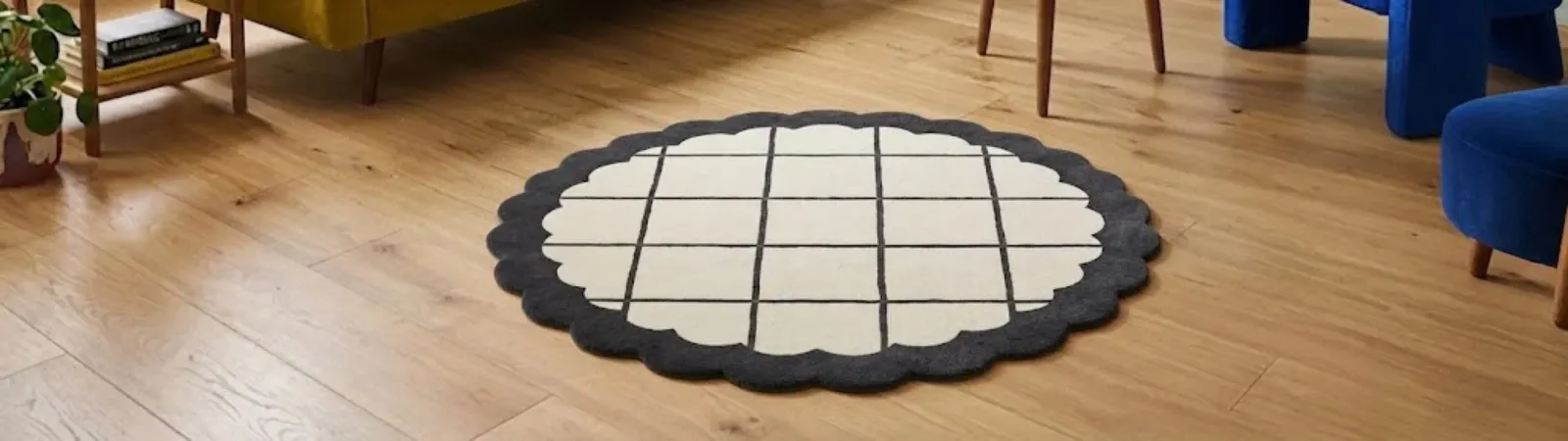
Why a Gray and White Rug Never Goes Out of Style
Why a Gray and White Rug Never Goes Out of Style Interior trends rarely last. A wall color or furniture
Rug size is often overlooked when designing a home. Many people spend a lot of time picking colors or patterns, but pick the rug size quickly based on what looks right in the store.
However, the size of the rug has a bigger impact on how a room looks and feels. If a rug is too small, the furniture can look disconnected. If it’s too big, even a large room can feel cramped.
A rug size chart helps solve this problem. It removes the guesswork by showing you sizes that have worked well in many rooms over the years. In this guide, you’ll find a rug size for each main room, tips on measuring before you buy, and placement rules that help your rug truly improve the space.
Use this size chart as a quick guide to find the best rug dimensions for each room and create a more balanced layout.
| Room | Recommended Size | Notes |
|---|---|---|
| Living Room | 8×10 or 9×12 | The front legs of the sofa and chairs should rest on the rug |
| Bedroom (Queen) | 8×10 | Around 20 inches of rug is visible on each side |
| Bedroom (King) | 9×12 | Leaves space for nightstands and a bench |
| Dining Room | 8×10 or 9×12 | Extend 24–36 inches past the table edge |
| Hallway / Runner | 2.5×8 to 3×12 | Determined by hallway length and width |
| Small Apartment Living Room | 5×8 | Suitable when furniture is grouped closely |
| Entryway | 3×5 | Adds warmth without blocking the door swing |
This rug size chart gives you a starting point. You may still need to adjust based on your room layout, furniture size, or unique features like bay windows, narrow spaces, or oversized dining tables.
Need More Than Just the Right Size?
Explore our curated collection to find rugs that match your room dimensions and personal style.
You can also start by looking at rug sizes and then decide which rooms each size works best in.
A 3×5 rug works best as an accent piece. It’s great for entryways, next to a bed. It looks particularly good in every nook that needs a little bit of character & warmth.
A 4×6 rug is a bit bigger. It is best used in home offices, kids’ rooms, or other small areas.
A 5×8 rug is a great fit for small living rooms or apartments. You can place them under a coffee table in a bigger room.
The 6×9 size is good for medium bedrooms or for a dining area with a four-person table.
The 8×10 rug is the most popular choice for area rugs. It works well in medium to large living rooms. The size is perfect to accommodate a queen bed, making it a great pick for bedroom rugs. It is also big enough to nest a six-seat dining table, so the chairs stay on the rug.
The 9×12-sized rug is better for large living rooms, king-size bedrooms, or open spaces where you want to connect several furniture areas with one rug.
Round rugs usually come in sizes from 5 to 10 feet across. They work well with round dining tables or as a soft accent in a reading nook.
For hallway runners, standard sizes are 2.5×8, 3×10, and 3×12. To measure, check the hallway’s length and subtract a foot or two from each end so the rug fits inside the space without touching the walls.
Before choosing a rug size, it’s important to measure your space properly so the rug fits naturally with your furniture and room layout.
If there’s one rule worth remembering, it’s this: measure the furniture footprint first, then build clearance around it, not the other way around.
Most living rooms are 8×10 or 9×12.
Bedrooms should follow the bed size: For a queen, it’s 8×10, and for a king bed, the rug should be 9×12″.
Dining rooms follow the table-plus-clearance method described above, and hallways or entryways are sized to the space’s length rather than estimated by eye.
When the choice comes down to two sizes, go with the larger one. It’s a small difference on paper, but a noticeable one in the room.
Found the Perfect Rug Size? Now, find the Perfect Rug.
Explore beautifully crafted rugs available in a variety of sizes, colors, and styles designed to fit every room.
Rug sizing isn’t complicated once the basics are in place: a chart to work from, accurate measurements, and a few placement rules that hold up across most rooms. The right size is usually closer than it seems, somewhere between two standard options rather than something unusual, and once it’s in the room, everything else tends to settle into place around it.
Why a Gray and White Rug Never Goes Out of Style Interior trends rarely last. A wall color or furniture
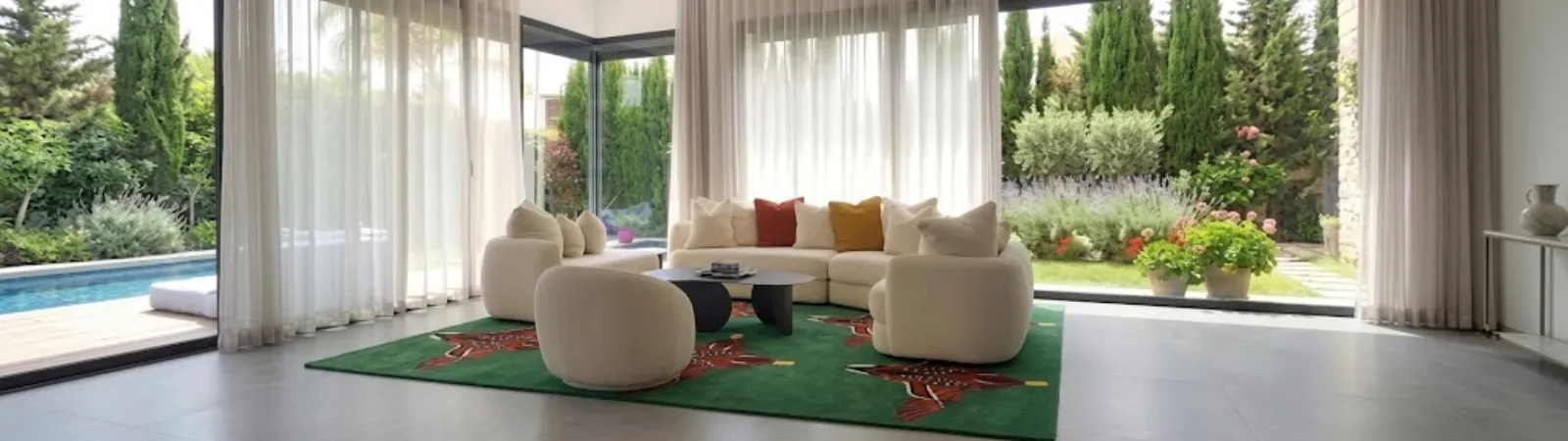
There’s a certain kind of room that photographs well but somehow forgets to feel like anyone lives there. Animal print
Elevate your living space with designer collections.
Get
Off on Your First Order