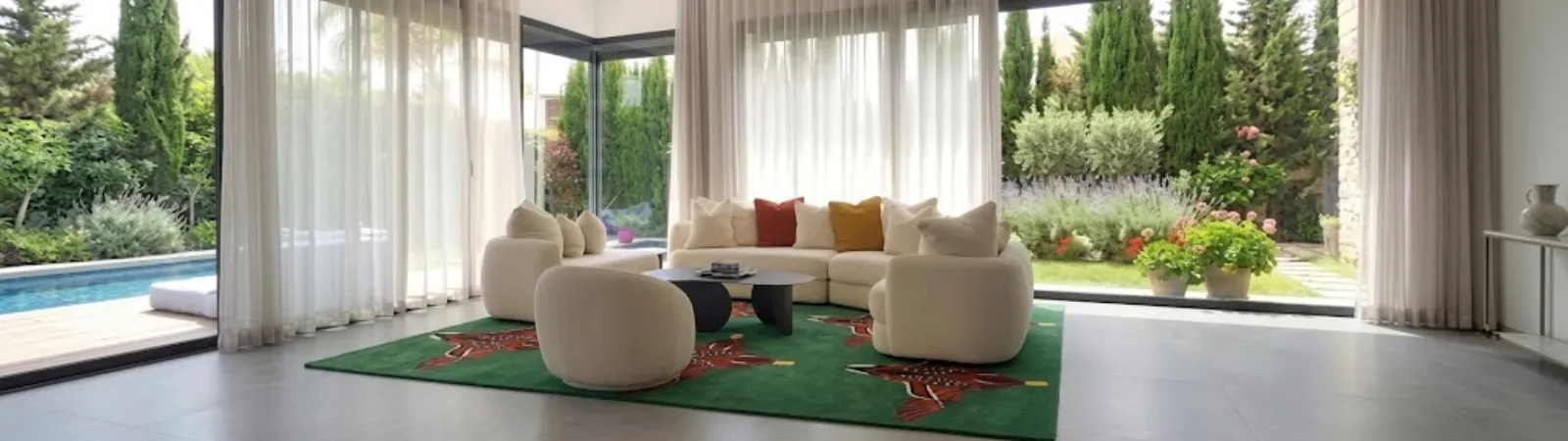
Animal Print Carpet Ideas for Living Rooms, Bedrooms & More
There’s a certain kind of room that photographs well but somehow forgets to feel like anyone lives there. Animal print
You’ve picked the dining table. Maybe the chairs too. And yet the room still doesn’t feel finished. Nine times out of ten, that missing piece is the rug.
A dining room table rug does more than add another layer to your space. It grounds the room. It gives the eye somewhere to land while softening the hard floor underneath. It also makes the whole setup look like it was planned rather than assembled piece by piece.
Dining rooms have their own quirks — spills, dragged chairs, crumbs. Somehow they always find the one spot you missed. So below, we’ll go through why a dining room rug actually matters, what to look for before buying one, and how to get the size right (because getting it wrong is more common than you’d think).
In many modern homes, the dining room connects the kitchen and the living room, especially in open-plan layouts. Without walls, it can sometimes feel like it blends into the surrounding spaces. A rug changes that instantly. Place it under the dining table to define the area, create a sense of structure, and give the dining space its own identity.
A rug under a dining room table also feels better underfoot. Hardwood and tile floors look great, but after a long Sunday lunch, a bare floor can start to feel cold and uncomfortable underfoot. A rug takes the edge off.
With hard floors, noise bounces around a room, which is part of why dinner conversations in bare rooms can feel oddly loud or echoey. A dining room rug soaks up a lot of that. Additional advantages include taking the wear instead of your hardwood. Chair legs scrape floors. Layering the rug tampers down that damage.
And then there’s style. Whatever look you’re going for, the rug is one of the biggest visual surfaces in the room. It helps tie together your wall color, curtains, and furniture, creating a cohesive design.
Buying a rug for the dining room is different from choosing one for your living room. There are a few extra things to keep in mind to make sure it not only looks good but also works well for your space.
Material comes first. This is the room where spills happen. A low-pile flatweave made of a durable & resilient material will save you, unlike a plush and thick-piled rug that traps crumbs in its fibers. Wool blends tend to hold up well too.
Color and pattern are worth thinking about. Don’t just think about visual balance here. A busy pattern or mid-tone shade hides everyday mess far better than a pale, plain rug that shows every spill by dinner time. If you’ve been eyeing something bold, the dining room is arguably the best room in the house to try it.
Shape should follow the table. Rectangular tables generally sit best on rectangular or oval rugs. Round tables look right on round rugs. Mismatched shapes, here, tend to look accidental rather than intentional.
Keep the pile low, too. Chairs need to slide back and forth without catching. A thick, high-pile rug makes that surprisingly annoying, especially with kids in and out of their seats. Sometimes it leads to accidents as well, with chairs stumbling over plush piles. Hand tufted rugs are the best bet here.
And step back and think about the room as a whole, not just the table. The rug is one of the largest single elements in the space, so it should feel like part of the room’s overall story.
If you’d rather skip the guesswork entirely, explore our curated collection of dining room rugs built for daily use.
This is where most people trip up, honestly. Size matters more than color, more than pattern, more than almost anything else on this list.
The rule of thumb for rug size for dining room tables: all chairs should stay on the rug, even when someone pulls their chair back to sit down. If a chair leg slips off the edge, the rug’s too small.
A simple dining room rug sizing guide that works in most homes:
Go too small, and you’ll deal with catching chair legs and uneven wear at the edges for years. Go too big, and the rug can swallow the room or crowd into furniture it was never meant to touch.
If measuring feels like guesswork, it’s worth checking a proper rug size chart guide before you buy anything.
Many rug brands sell the same boring area rugs for every room in the house. ScallopedRugs don’t do that, not for dining spaces.
Our dining room rug collection is built with the actual demands in mind: durability, easy cleanup, and proportions that make sense for tables and chairs rather than sofas. The shape range – rectangular, oval, round, and irregular is genuinely useful too.
Materials hold up. Daily spills and constant chair movement are rough on a rug, and this collection is clearly chosen with that in mind. There’s also a variety of styles, from quiet neutrals to rugs with real personality, so you’re not forced to pick between something practical and something you actually like.
And the buying guides help. For anyone who wants a rug that’s actually built for a dining room, rather than one that happens to fit under a table, it’s a meaningful difference.
Most people don’t think much about the dining room floor until the room is fully furnished and something still feels off. The table is right. The chairs are right. The light fixture is exactly what was wanted. And yet the room doesn’t quite hold together.
In most cases, the missing piece is the rug. A dining room rug that fits your table properly, is made from a durable material for everyday use, and features a color that naturally complements the space can bring the entire room together. It’s often the finishing touch that transforms a dining area from functional to beautifully designed.
That’s why choosing the right rug matters. It’s not because a handmade rug is the most eye-catching feature in the room, but because it’s often the element that makes the entire space feel complete.
Bigger than your first instinct. The test is simple: pull a chair back from the table as you would to sit down. All four legs should still be on the rug. Most standard dining tables need an 8 by 10 foot rug to pass that test. Smaller tables can sometimes work with a 6 by 9, but measure with the chairs out rather than the table dimensions alone.
Always. A rug sized only to the table means chair legs catching the edge every time someone sits down or stands up. The rug needs to contain the entire arrangement: table, chairs, and enough margin that the composition looks considered rather than accidental.
Scalloped Rugs’ dining room collection is put together with function in mind as much as aesthetics. The sizes, constructions, and materials are chosen for rooms that see real daily use. Worth browsing with your table dimensions in hand.
Yes, and that was the starting point for the collection rather than an afterthought. Chair movement, foot traffic, the reality of meals: natural fibre constructions handle these conditions considerably better than synthetic alternatives and tend to age more honestly over time.
More practical than plain ones, genuinely. Pattern and depth of colour absorb the visual evidence of daily dining in a way that a pale, solid rug simply cannot. Crumbs, minor spills, everyday wear: a well-patterned rug handles all of it with considerably more grace.
There’s a certain kind of room that photographs well but somehow forgets to feel like anyone lives there. Animal print
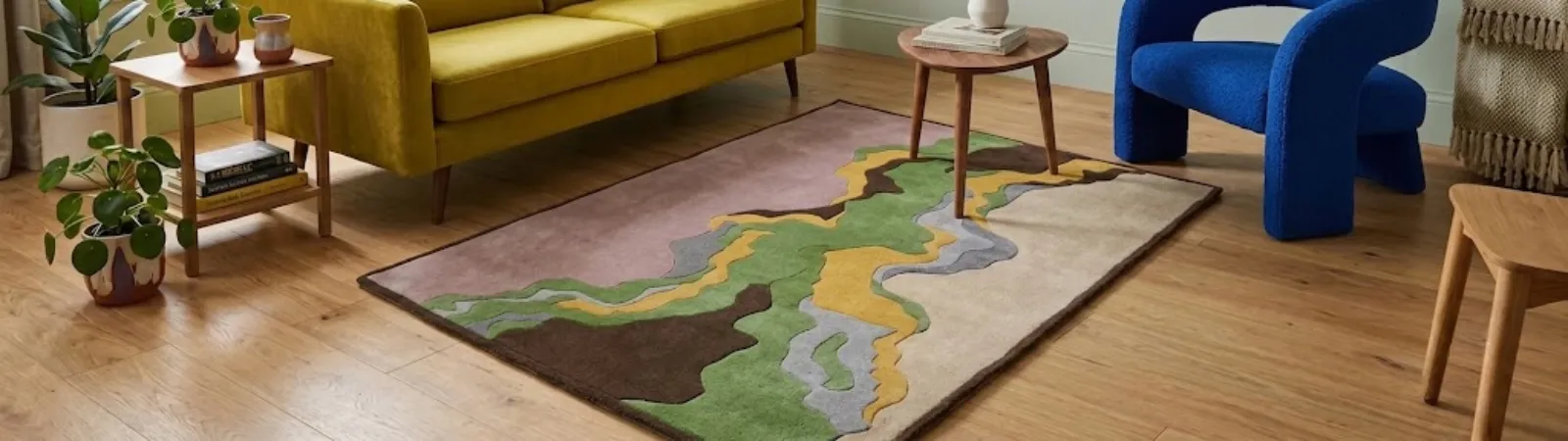
Most rooms don’t fall apart because the furniture is wrong. They fall apart because nothing on the floor is doing
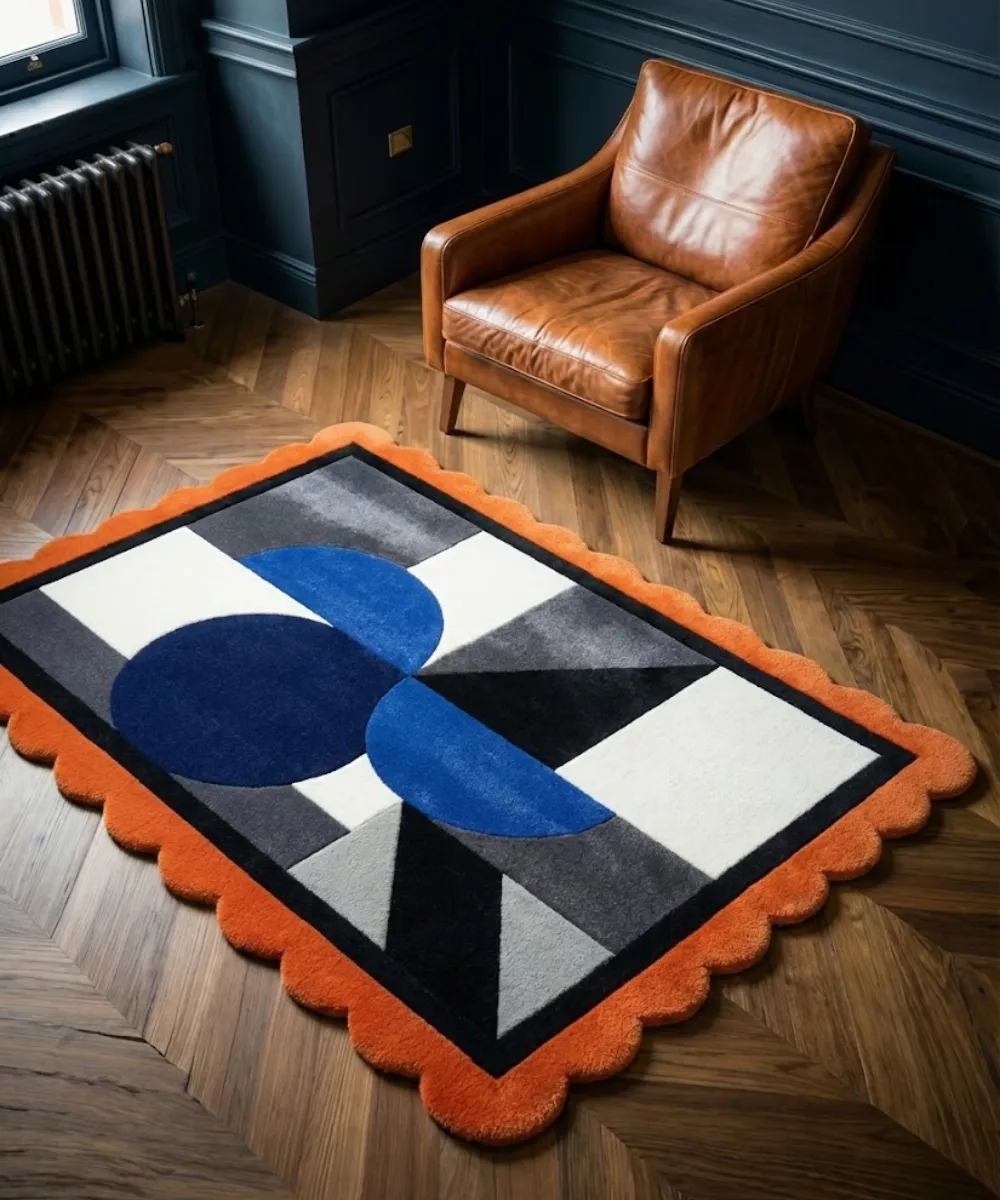
Elevate your living space with designer collections.
Get
Off on Your First Order